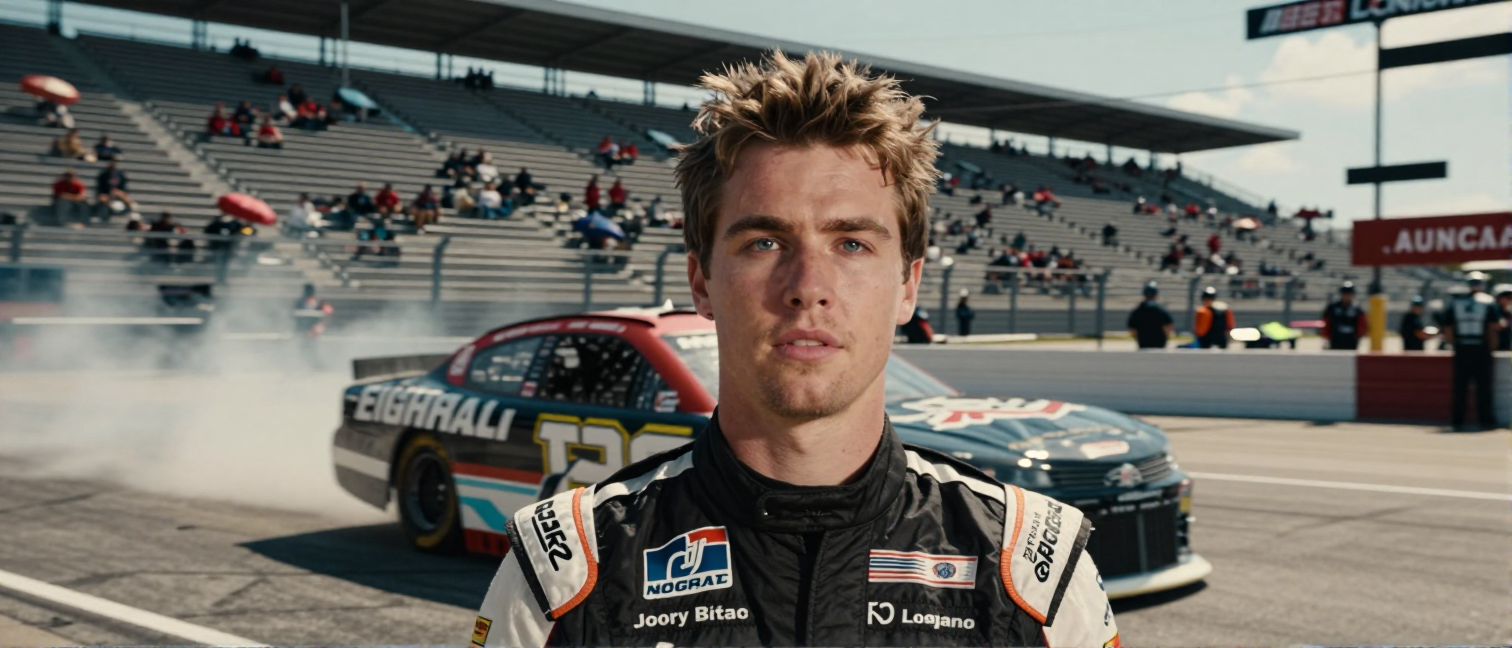
Joey Logano told reporters on July 5, 2026 that NASCAR’s plan to revive Chicagoland Speedway and juggle a Chicago street race is exactly the kind of venue rotation he wants – moving races to fans instead of forcing fans to chase races.
What did Logano say?
When asked about the July 5 comeback of Chicagoland, Logano answered bluntly: “One of the best things we’re doing is not going to the same places all the time. We’re spreading it out, and we’re going to the race fans.” He emphasized that varied locations lower travel costs and keep the sport fresh for longtime followers.
Why does it matter for NASCAR?
Chicagoland’s history shows the risk of static schedules. In the early 2000s the track drew 75‑85 000 spectators, but by the late 2010s attendance fell to 35‑45 000. Fans grew tired of identical 1.5‑mile ovals, labeling them “cookie‑cutter.” Logano’s point is that rotating venues can revive interest and prevent the decline seen at Joliet.
How could the schedule change?
NASCAR is weighing two Chicago events for 2027: the street race in Grant Park, likely moved to late May, and the Joliet oval on the July 4 weekend. Dale Earnhardt Jr. confirmed both are on the table. Logano believes the dual‑track approach could serve two audiences – the traditional camping crowd at the oval and the corporate, tourist crowd at the street circuit.
What’s next for Chicago?
Negotiations with Mayor Brandon Johnson continue. The city wants the street race off Independence Day weekend after resident complaints, pushing the event toward a May slot. If the plan proceeds, fans could see a July 4 race at Joliet while the street course returns in May, delivering the variety Logano champions.
How fans will feel the impact
Ticket prices for the July 5 Chicagoland event were set at $50, a figure Logano highlighted as “cheap by NASCAR standards.” A near‑sellout suggests the market still has appetite when pricing and location align. By spreading races, NASCAR hopes to replicate that success across other underserved regions.
What Logano hopes to achieve
Logano isn’t just talking logistics; he’s pushing for a strategic shift that keeps the sport relevant. He sees the Chicago experiment as a template: give fans local options, avoid over‑saturation of identical tracks, and keep the product exciting. If NASCAR follows his advice, the 2027 calendar could look markedly different from the one fans saw a decade ago.